

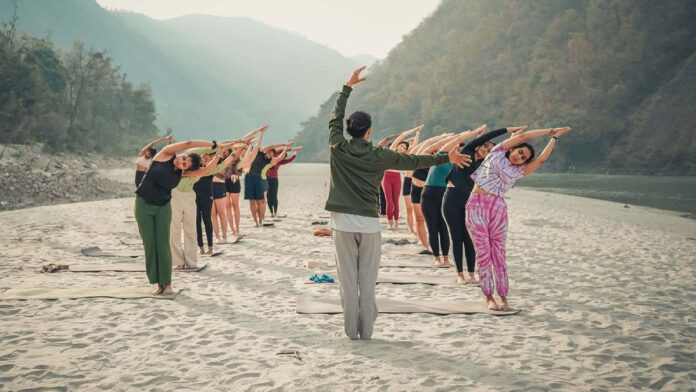

Choosing to study yoga seriously can be a turning point for practitioners who want to understand the discipline beyond physical postures. Advanced training brings together asana, pranayama, meditation, philosophy, anatomy, and teaching methodology in a structured learning environment. For practitioners exploring the best yoga teacher training in rishikesh, Rishikesh offers a distinctive setting where dedicated study and traditional yoga education can become part of everyday life.
Why Rishikesh Is Ideal for Deeper Yoga Study
Rishikesh is situated near the Himalayan foothills and the River Ganges and has a long association with yoga and meditation. Students from India and abroad visit the city to explore different traditions and develop their practice.
One of the benefits of studying here is the immersive routine. Instead of attending occasional classes, students can spend several weeks following a structured schedule that includes practical sessions, theory, meditation, and reflection.
This environment can encourage discipline and consistency. It also provides students with more time to understand how different aspects of yoga connect.
What Makes Advanced Training Different?
Advanced teacher training is not simply about learning more challenging postures. It is about developing a broader understanding of yoga and learning how to communicate that knowledge responsibly.
Students may study advanced alignment, sequencing, anatomy, pranayama, meditation, yoga philosophy, and teaching methodology. These subjects can help practitioners understand the principles behind their practice.
Teaching skills are particularly important. A teacher must be able to demonstrate movements, give clear instructions, observe students, and offer appropriate modifications.
Exploring a 500-Hour Yoga TTC
For experienced practitioners looking for extensive study, a 500 hour yoga TTC in rishikesh can provide an extended learning pathway.
A 500-hour program gives students substantial time to explore practical and theoretical subjects. Depending on the curriculum, training may include advanced asana, pranayama, meditation, anatomy, philosophy, sequencing, and teaching methodology.
The extended format can also allow students to practice teaching repeatedly. With instructor feedback, learners can gradually improve their communication, sequencing, demonstrations, and ability to guide different students.
Understanding Ashtanga Vinyasa Yoga
Ashtanga Vinyasa is recognized for its structured approach to movement and breath. Practitioners follow systematic sequences while developing concentration, coordination, and consistency.
Advanced study can help students understand the principles behind the sequence rather than simply memorizing postures. They may explore transitions, breathing patterns, alignment, sequencing, and the relationship between breath and movement.
For aspiring teachers, this deeper understanding can make instruction more meaningful. Instead of simply showing students what to do, teachers can explain the purpose and structure of the practice.
The Value of Meditation and Pranayama
A comprehensive yoga education should include practices beyond physical movement. Meditation can encourage concentration and self-observation, while pranayama introduces students to conscious breathing techniques.
Yoga philosophy provides another important area of learning. Studying traditional concepts can help practitioners understand the broader context of yoga and consider how these ideas relate to daily life.
The growing wellness industry has also increased interest in practices that combine physical activity with mindfulness. Forbes regularly covers developments in wellness and lifestyle, reflecting the wider attention these practices receive.
How to Choose the Right Yoga School
Finding the best yoga teacher training in rishikesh requires careful research. Students should consider the complete learning experience rather than relying on course duration or promotional claims alone.
Start by reviewing the curriculum and checking whether it matches your existing experience. Look at the subjects covered and determine how much time is dedicated to practical teaching.
Instructor experience is another important factor. Understanding the teachers’ backgrounds and teaching approach can help students decide whether the program is suitable.
Practical considerations also matter. Accommodation, food, class size, location, daily schedule, facilities, and student support can all influence the training experience.
Developing Confidence as a Yoga Teacher
Personal practice and teaching require different abilities. A practitioner may perform an asana confidently but still need experience explaining it to others.
Teacher training can provide opportunities to practice verbal cues, demonstrations, sequencing, observation, and class planning. Constructive feedback can help students identify weaknesses and improve their teaching style.
Understanding individual differences is also essential. Students may have different experience levels, flexibility, learning preferences, and physical limitations. A thoughtful teacher needs to adapt instructions accordingly.
Continuing Education After Training
Completing a 500 hour yoga TTC in rishikesh can be an important milestone, but yoga education does not have to stop there.
Teachers can continue developing through workshops, personal practice, advanced study, teaching experience, and interaction with other practitioners. Continued learning can help instructors refine their methods while maintaining a strong connection with their own practice.
The most valuable long-term habit is remaining open to learning. Yoga is a discipline that can continue developing as knowledge and experience grow.
Conclusion
Advanced yoga teacher training can provide a valuable opportunity to deepen personal practice while developing practical teaching knowledge. Rishikesh offers a distinctive environment where students can explore yoga through disciplined practice, meditation, philosophy, breathwork, anatomy, and teaching methodology.
If you are researching the best yoga teacher training in rishikesh, compare the curriculum, instructors, practical sessions, facilities, and overall learning environment carefully. For experienced practitioners seeking comprehensive education, a 500-hour program can provide the depth and extended practice needed to build greater confidence and continue growing as a yoga teacher.