


In the fast-paced world of logistics and distribution, the floor of your warehouse is more than just a surface—it is the foundation of your entire operation. A clean floor is a safe floor, and a safe floor is a productive one. However, as operations scale and foot traffic increases, many facility managers realize that their legacy cleaning equipment simply can’t keep up.
Efficiency isn’t just about how fast your team works; it’s about the tools they have at their disposal. If your maintenance crew is spending more time fixing an old machine than actually using it, or if dust levels are beginning to settle on your high-rack inventory, you are likely overdue for an equipment overhaul.
Here are five definitive signs that your facility is ready for an industrial sweeper upgrade.
1. Persistent Dust Accumulation on High-Value Inventory
One of the most overlooked indicators of a failing sweeping system isn’t found on the floor, but on the shelves. In many warehouses, traditional or aging sweepers lack the sophisticated filtration systems required to trap fine particulate matter. Instead of capturing dust, they often kick it back into the air, where it eventually settles on your products, packaging, and machinery.
This “dust migration” can be catastrophic for businesses dealing with electronics, pharmaceuticals, or food-grade storage. Modern commercial floor cleaning machines utilize HEPA-rated filtration and vacuum-assisted sweeping to ensure that once dust is lifted, it stays contained. If your team is frequently dusting off pallets before shipping them out, your current sweeper is failing its primary mission. An upgrade to a machine with superior dust control technology will protect your inventory and improve the air quality for your staff.
2. Rising Maintenance Costs and Frequent Downtime
Every piece of industrial equipment has a lifecycle. If you find that your “maintenance” logs are looking more like “major repair” logs, the total cost of ownership (TCO) for your old machine has likely surpassed the cost of a new unit.
Older sweepers often suffer from:
- Failing hydraulics: Leaks can create new slip hazards on the floor.
- Worn-out brushes: Poor agitation leads to multiple passes over the same area.
- Battery degradation: In older units, the runtime may drop so significantly that you can’t finish a single shift without a recharge.
When you transition to equipment from leading floor sweeper manufacturers, you aren’t just buying a machine; you are investing in reliability. Modern units feature modular designs that make routine service faster and more intuitive, reducing the time your machine spends in the shop and increasing the time it spends on the floor.
3. Inefficiency in Covering Square Footage
The size of your warehouse dictates the type of equipment you need. If your facility has expanded or if you are still using manual methods for large open aisles, you are hemorrhaging labor hours. Time is the most expensive variable in warehouse management.
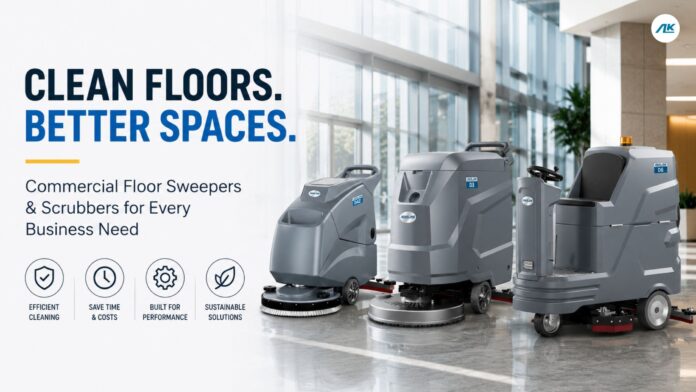
If it takes your staff four hours to sweep a zone that should take one, you are seeing a clear sign of equipment mismatch. Many facilities benefit from moving to a ride on floor sweeper. These machines allow operators to cover massive areas with minimal fatigue, maintaining a consistent speed that a walk-behind unit simply cannot match. If your cleaning schedule is consistently falling behind, it’s a signal that your manual labor or small-scale equipment has been outgrown by your physical footprint.
4. Visible Debris Left Behind After a Single Pass
The hallmark of a high-performing industrial sweeper is the “one-pass” rule. You should be able to drive or walk the machine over a dirty area and see a clean path immediately. If your operators are forced to double-back or perform “pre-sweeping” by hand because the machine can’t handle larger debris like wood chips, metal shavings, or pallet scraps, your equipment is obsolete.
Modern floor scrubber manufacturers and sweeper designers have integrated “oversized debris” hoppers and adjustable brush pressures that can handle the grit of a heavy-duty industrial environment. If your floor still feels “crunchy” underfoot after a cleaning cycle, the mechanical integrity of your current sweeper’s brush system is likely compromised, or the motor is no longer providing the necessary suction.
5. Increased Workplace Accidents and “Near-Misses.”
Safety is the ultimate priority in any industrial setting. An aging or inefficient sweeper contributes to hazards in two ways:
- Debris Hazards: Small pebbles or metal scraps left behind can cause forklift tires to skid or pallets to tip.
- Operator Fatigue: Old, heavy, or poorly ergonomic machines lead to operator error. If a machine is difficult to maneuver around tight corners or lacks modern safety lighting and horn systems, it becomes a liability.
Newer industrial sweepers are designed with the operator in mind, featuring power steering, clear sightlines, and automated safety shut-offs. Upgrading your fleet isn’t just a cleaning decision—it’s a risk management decision.
The Strategic Advantage of Upgrading
Investing in new floor maintenance technology provides a ripple effect of benefits across your entire organization. Beyond the obvious aesthetic improvement, a high-quality sweep reduces the wear and tear on your forklift fleet (as dust doesn’t get sucked into their engines) and boosts employee morale. No one wants to work in a gritty, dusty environment.
When evaluating your next move, consider the specific needs of your floor type. Whether you require the high-speed capacity of a rider or the precision of a walk-behind, the goal remains the same: a pristine environment that supports peak operational performance.
Pro Tip: When auditing your current floor health, perform a “white glove” test on a random section of the floor thirty minutes after your cleaning crew finishes. If the glove comes back grey, your sweeper is simply moving dirt around rather than removing it.
Conclusion
If your warehouse is exhibiting any of these five signs, it is time to stop viewing floor cleaning as a chore and start viewing it as a critical component of your supply chain. An upgrade to modern industrial cleaning technology will pay for itself through reduced labor costs, lower maintenance fees, and a significantly safer workspace. Don’t wait for a major accident or a failed inspection to make the change—evaluate your fleet today.